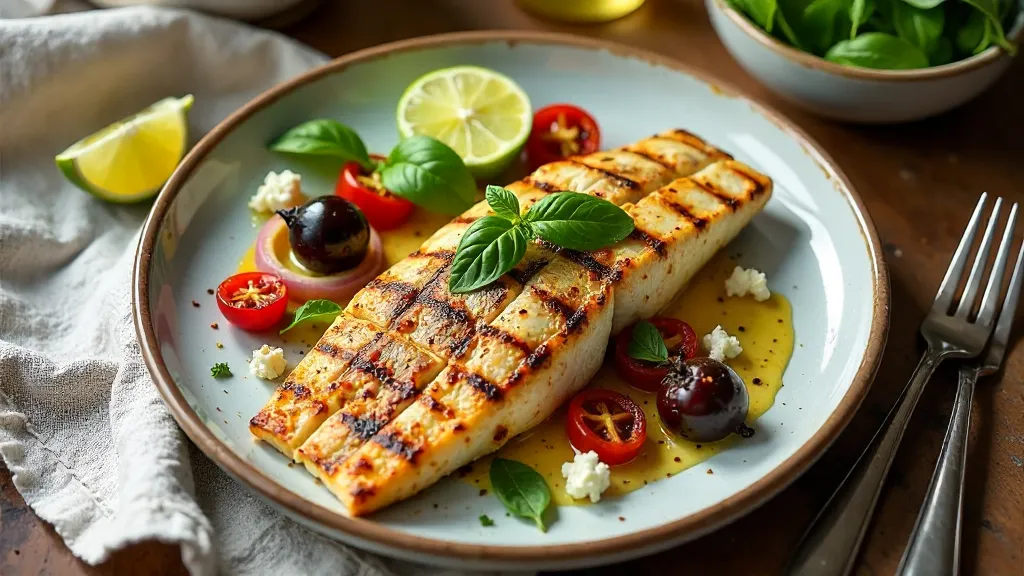
COOK IT.
Begin by lighting your charcoal grill and allowing it to preheat. Take newspaper or paper towel and scrunch it up into a tube. Place inside the bottom of your charcoal starter. If there is a hole in the middle, wad another piece into a loose ball and fill the gap. Fill the chimney with quality lump charcoal like Napoleon’s Blackstone or Coconut charcoal. Use a BBQ lighter to ignite the paper in the bottom of the charcoal starter. Allow it to burn off. This will generate a white smoke. Your bottom charcoals should be lit and you will know you were successful if there is heat coming from the top of the charcoal starter when you carefully hold your hand overtop - please do not touch the metal or coals. It will take about 15 minutes for all of the charcoal to ignite. Open the bottom vents on your charcoal grill about ½ way open. Once lit, pour the charcoal into your BBQ on one side. Place the cooking grids in the lowered position within the grill. Close the lid and allow the BBQ to preheat to between 400 and 450°F. Place a cast iron skillet on the side of the grill without charcoal under it to heat.
While the grill is heating up, slice the vegetables into bite-sized pieces and season the orange roughie fillets generously. Place the vegetables into a grill-safe baking tray, drizzle with oil, seasoning to taste with salt and pepper. Place the veggies onto the grill to start cooking for 10 minutes.
After the veggies have been cooking for 10 minutes with the lid closed, move the cast iron skillet to direct heat – using heat resistant BBQ gloves. This is because you want to preheat the skillet using indirect heat so it doesn’t instantly burn the butter when you put it into the pan – add the butter to the skillet and allow it to melt. Place one, or both of the orange roughie fillets into the skillet – depends on how big the skillet is – and cook for 1 to 3 minutes per side, until slightly blackened and crisp. Carefully flip the fish over and cook another 1 to 3 minutes until slightly blackened and crisp on the other side.
Remove the fish and vegetables from the grill, serving both with a squeeze of fresh lime juice, a generous helping of vegetables and crumbled feta cheese.
Cajun-inspired orange roughie is grilled in a cast iron skillet because the fish is more delicate than the heartier salmon fillet. Even still, the smokiness from cooking using a barbecue is still there. Another benefit to using the skillet is that more of the fish develops the crunchy sear lending an even deeper flavor to an already delightful fish. Tell us your fishy grilling stories by sharing on our social pages using the hashtags #SeafoodBBQ and #NapoleonGrills.
Happy Grilling!